Inventory
Restaurant inventory that reconciles itself to reality
Ingredient-level depletion, 86-ing, par levels, vendor orders and physical counts — with replenishment suggestions that already know what’s on order.
Inventory that lives in a spreadsheet is fiction by Friday. Novaryq ties stock straight to the menu — every sale depletes ingredients by recipe, par levels flag what’s running low, and physical counts reconcile the books to what’s actually on the shelf.
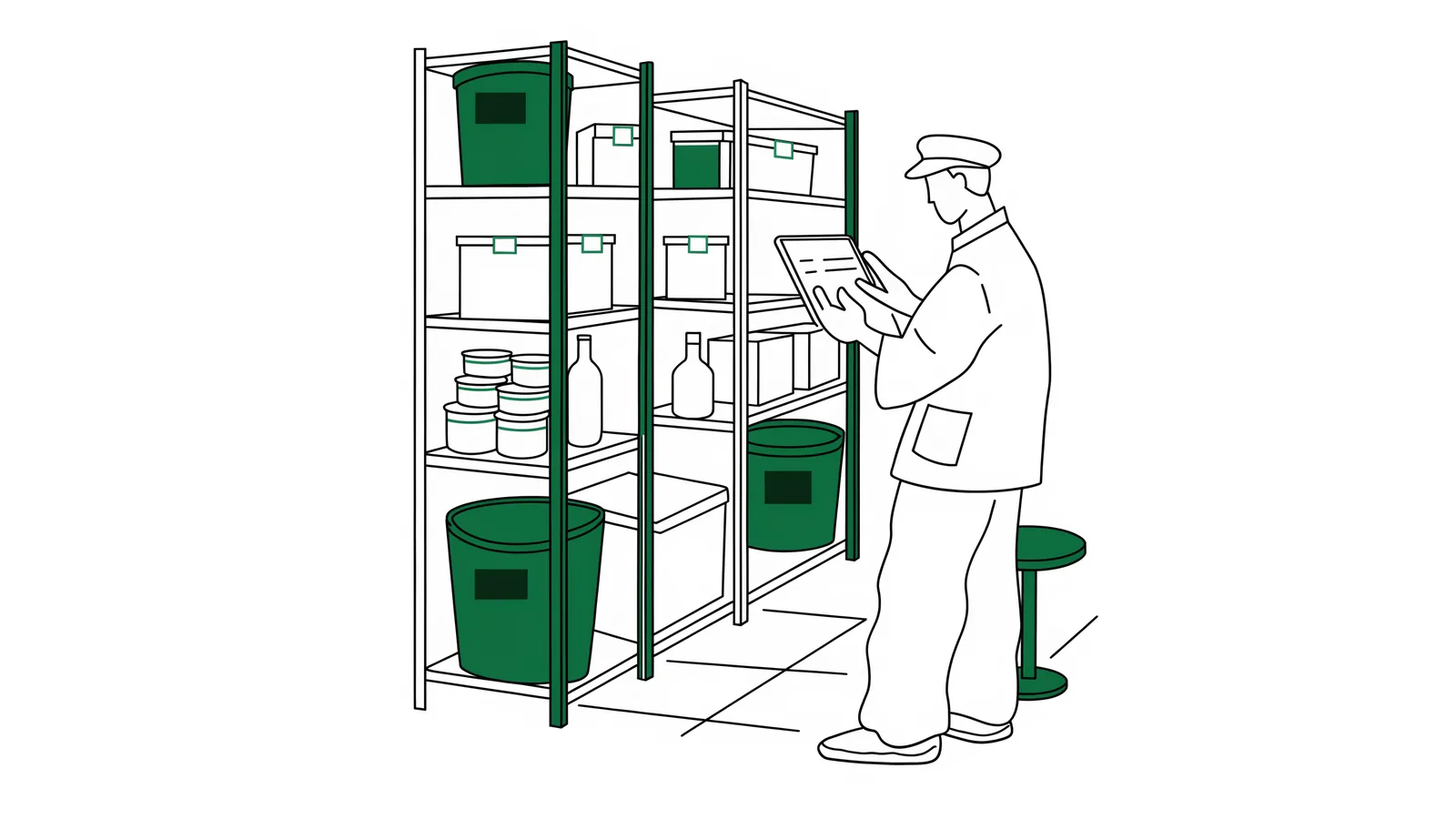
Ingredient-level depletion
Every sale depletes stock by recipe, so counts track service in real time.
Par levels & 86-ing
Low stock flags before it bites; 86 an item once and it disappears from every surface.
Vendor orders
Raise purchase orders against par levels and receive them into stock in one flow.
Physical stock counts
Structured stocktakes reconcile on-hand quantities to reality and log every variance.
Replenishment that nets what’s already on order
Reorder suggestions account for open purchase orders, so you never double-order a case of chicken because last week’s PO hadn’t landed yet. The suggestion is what you actually need — par level, minus on-hand, minus what’s already inbound.
86-ing that reaches every channel
When an ingredient runs out, affected items 86 across the POS, online storefront, QR menus and kiosks at once. No more selling a dish online that the kitchen stopped making an hour ago.
From delivery to plate cost
Where the numbers come from
Inventory is only useful if the depletion is automatic. Counting by hand and typing the result into a spreadsheet is a report, not a system.
Receive
Deliveries are received against the purchase order, so cost per unit enters the system from the invoice rather than from memory.
Map to recipes
Menu items carry recipes. Selling a dish is what depletes its ingredients — nobody re-enters usage.
Count
Counts are entered on a device on the shelf, in count sheets grouped by storage area, so the walk is the order of the sheet.
Variance
Theoretical versus actual is the output that matters: the gap between what the sales should have used and what the shelf says is left.
What it tracks
| Area | Handled |
|---|---|
| Recipe costing | Ingredient cost rolls up to plate cost, so a supplier price change is visible as a margin change. |
| Depletion | Automatic on sale, including modifiers that add or substitute ingredients. |
| Counts | Scheduled or spot counts by storage area, entered on a handheld at the shelf. |
| Waste | Recorded with a reason, so waste and theft do not arrive as one undifferentiated variance. |
| Purchasing | Par levels and purchase orders against suppliers, so the reorder is a decision rather than a scramble. |
Inventory accuracy is a function of the recipes behind it. Onboarding includes recipe setup for this reason — a variance report built on approximate recipes will confidently mislead you.
Get inventory out of the spreadsheet
See depletion, counts and replenishment on your menu in a demo.